
Winter News from the Vineyard
The last of the winter chores were done after harvest, to put the vineyard to bed for the winter. The…
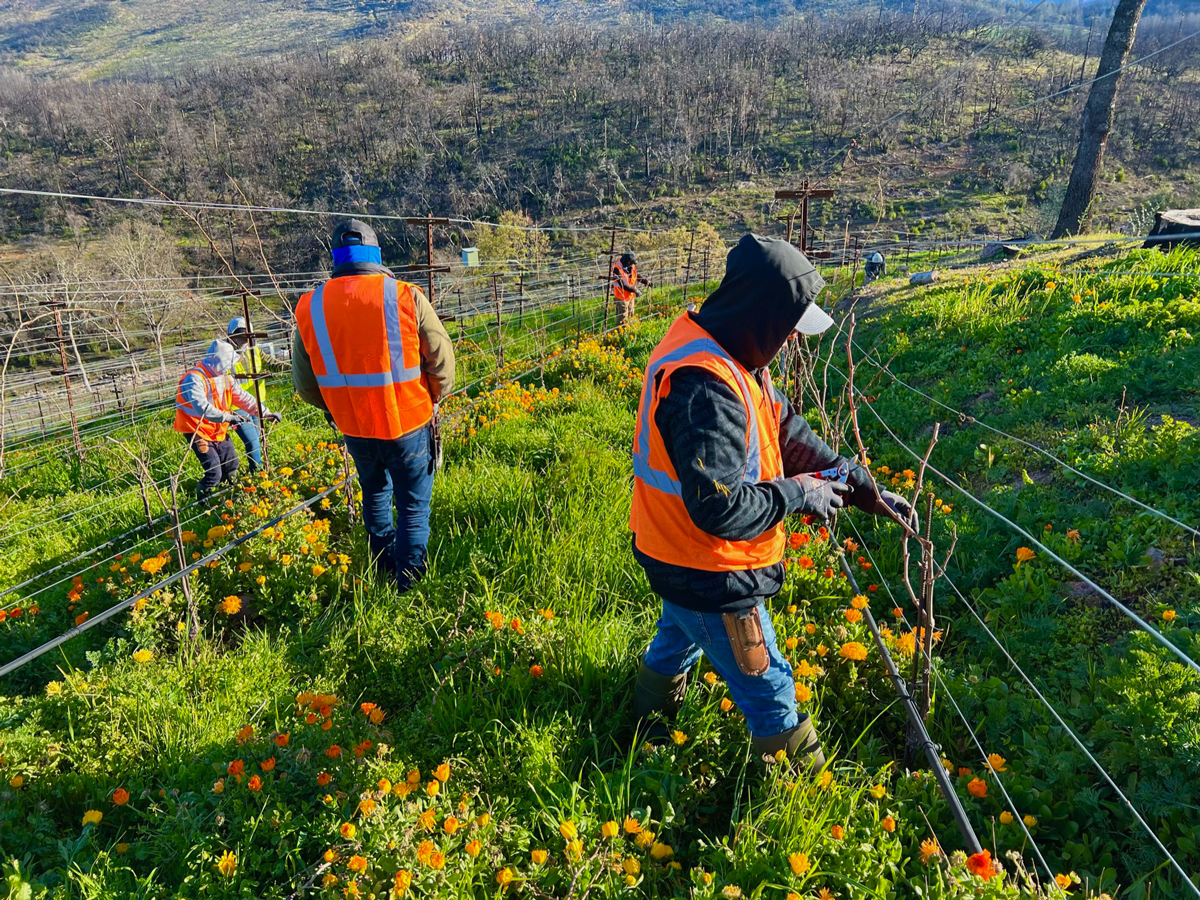
The last of the winter chores were done after harvest, to put the vineyard to bed for the winter. The…
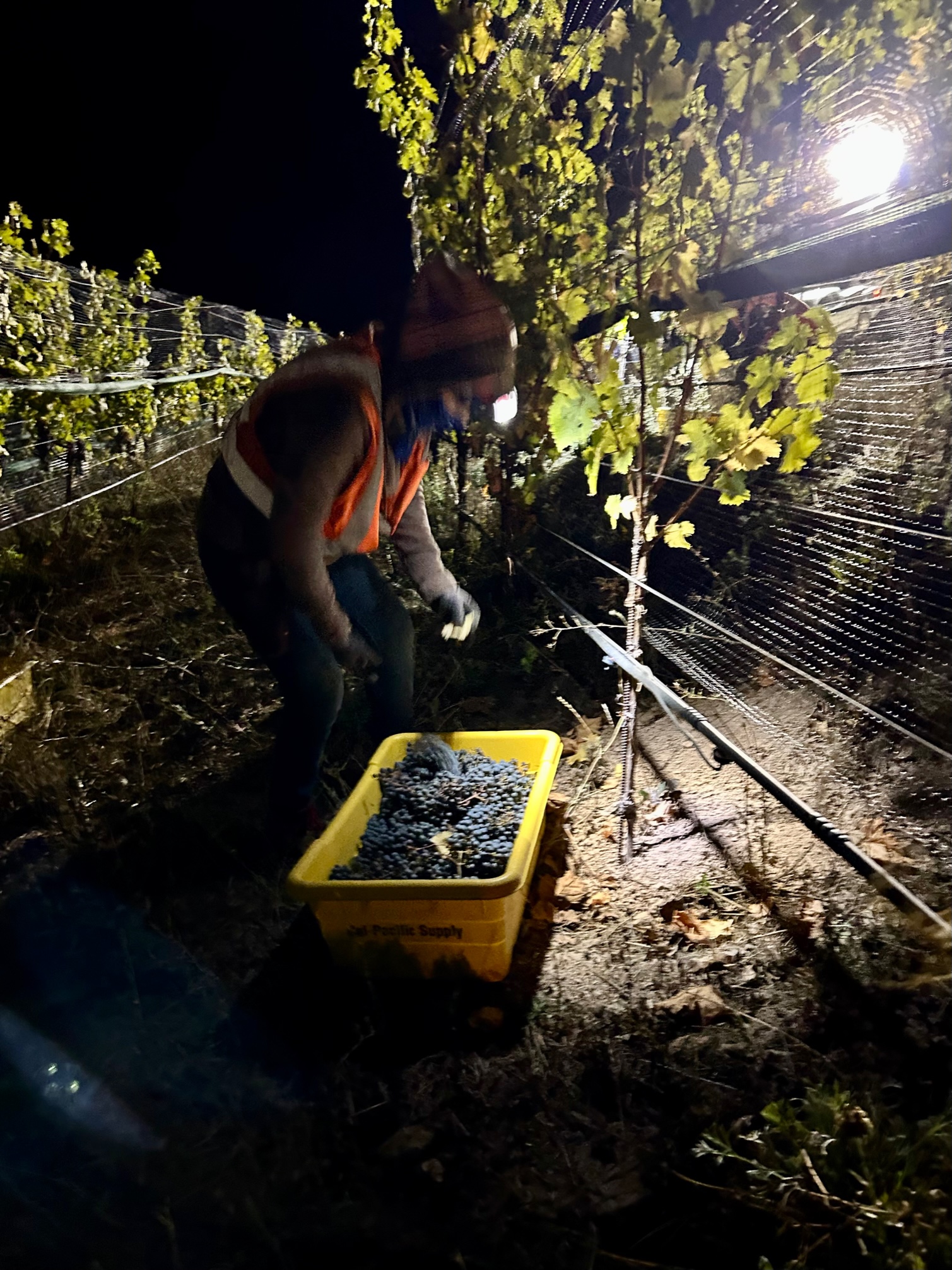
Following the devastation of the Glass Fire in September 2020, upon consultation with my vineyard manager I made the decision…
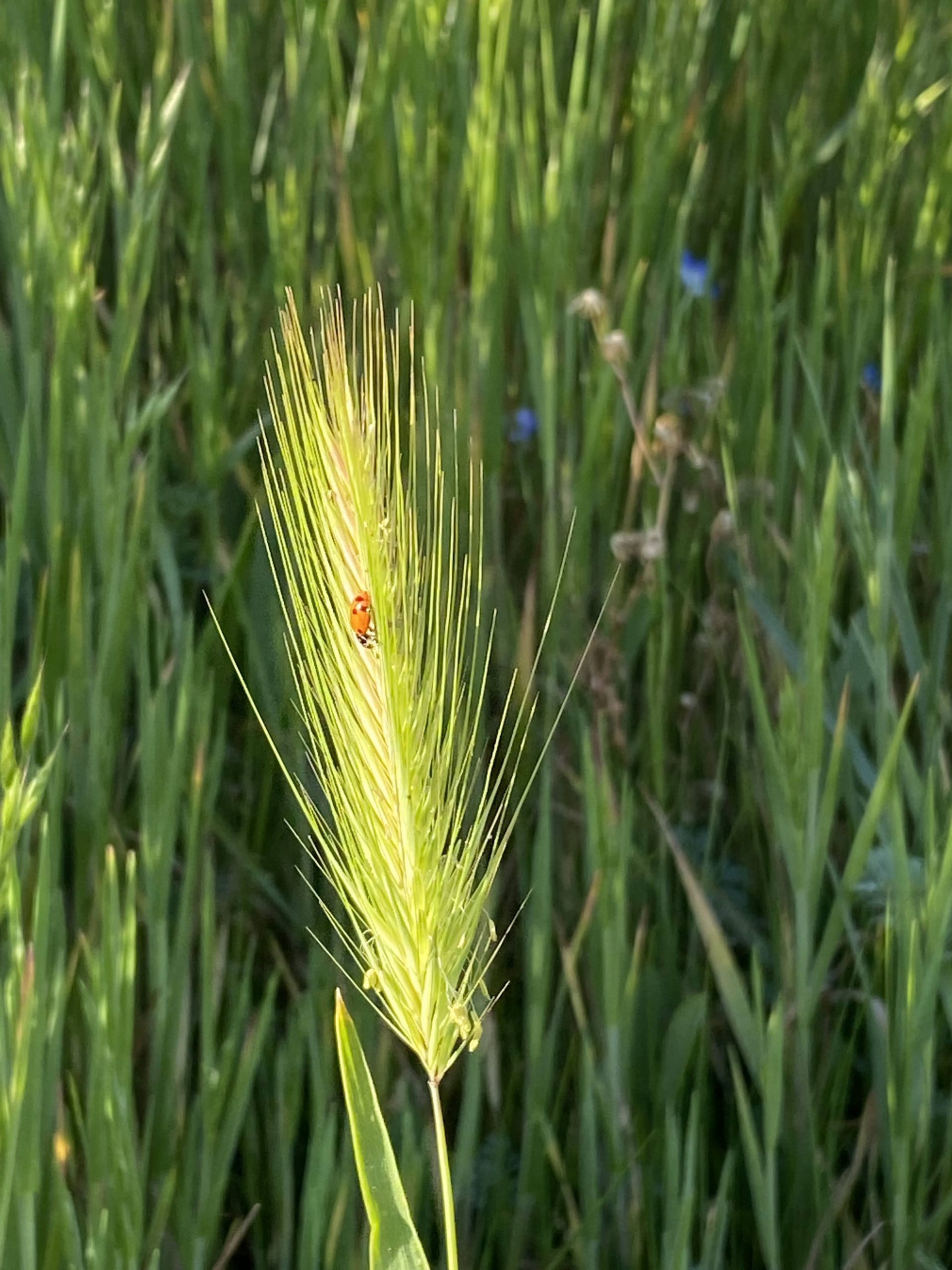
From the beginning of the vineyard replanting process, the vineyard managers and I agreed to become as responsible to the…
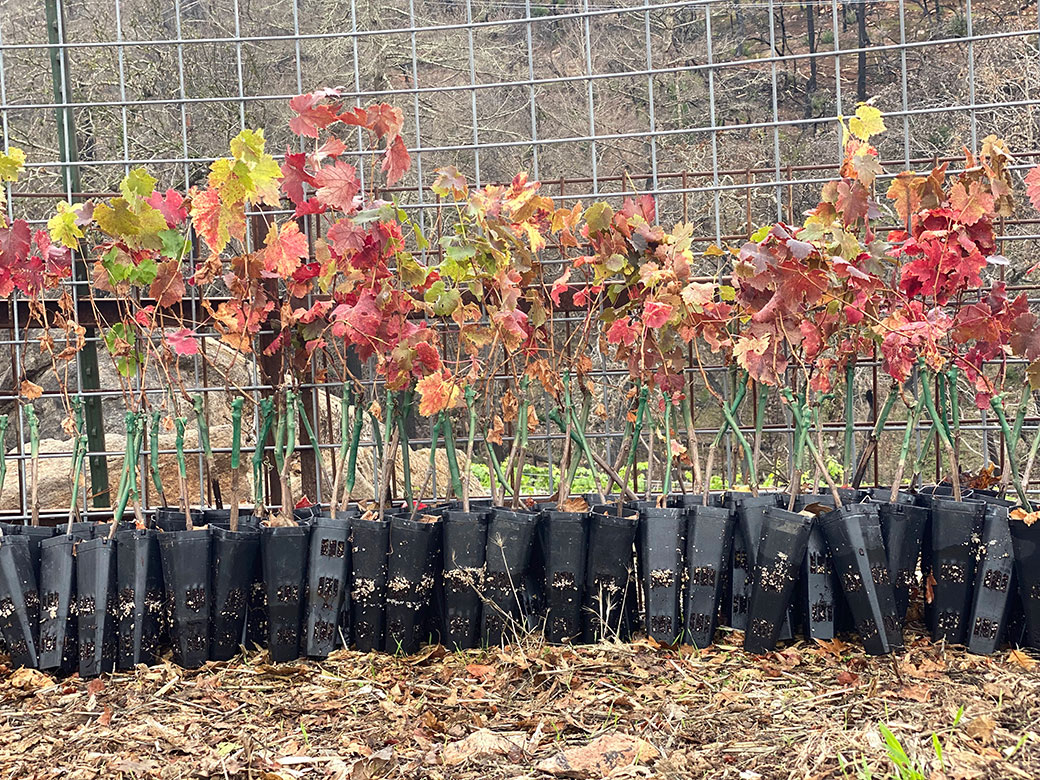
Almost 4,000 bench-grafted vines (one year old 110 R rootstock grafted onto the Clone 7 Cabernet Sauvignon scion) went into…
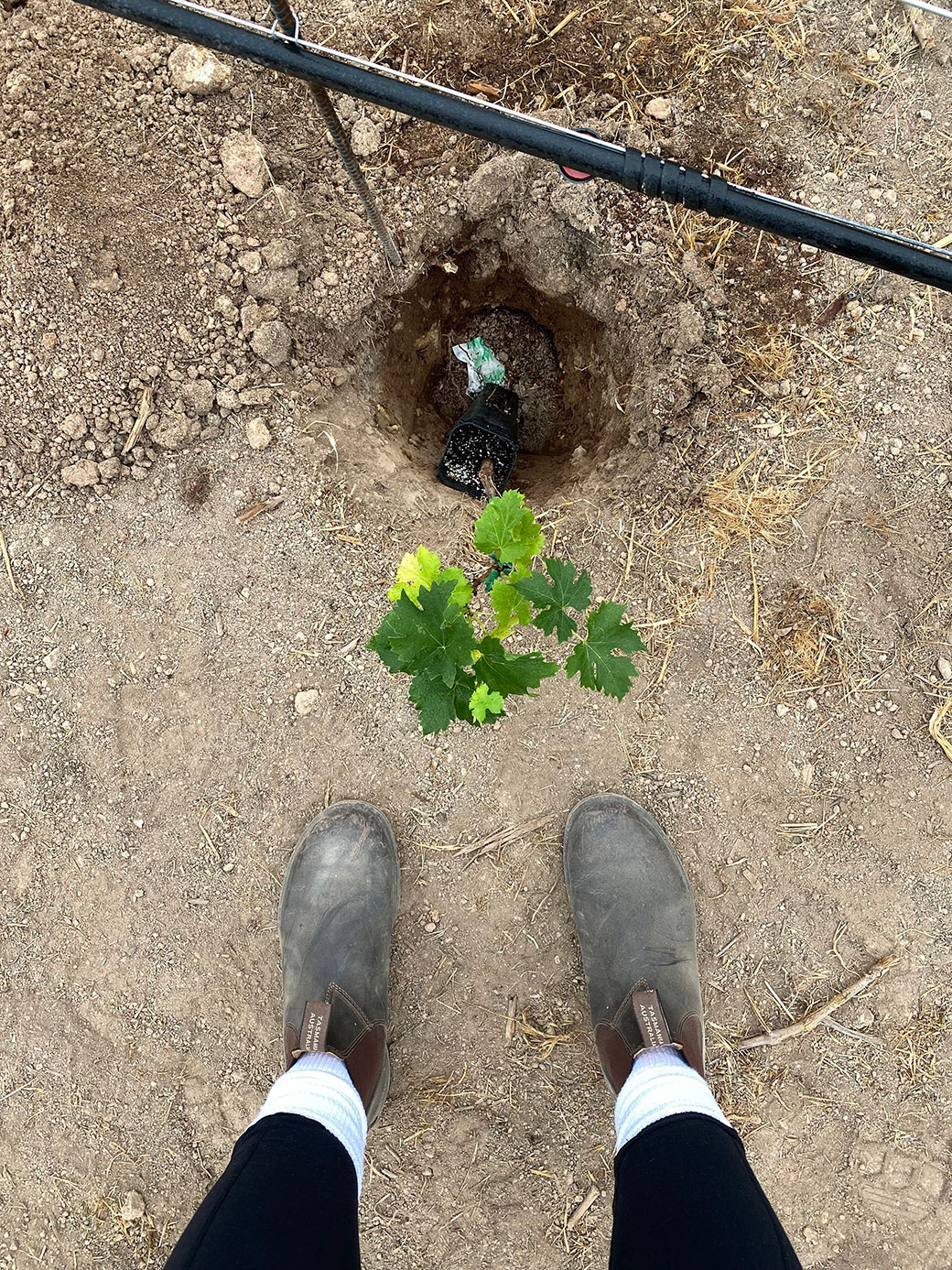
Planting a vineyard from scratch is a process that usually takes years of planning and organization, but I didn’t feel…
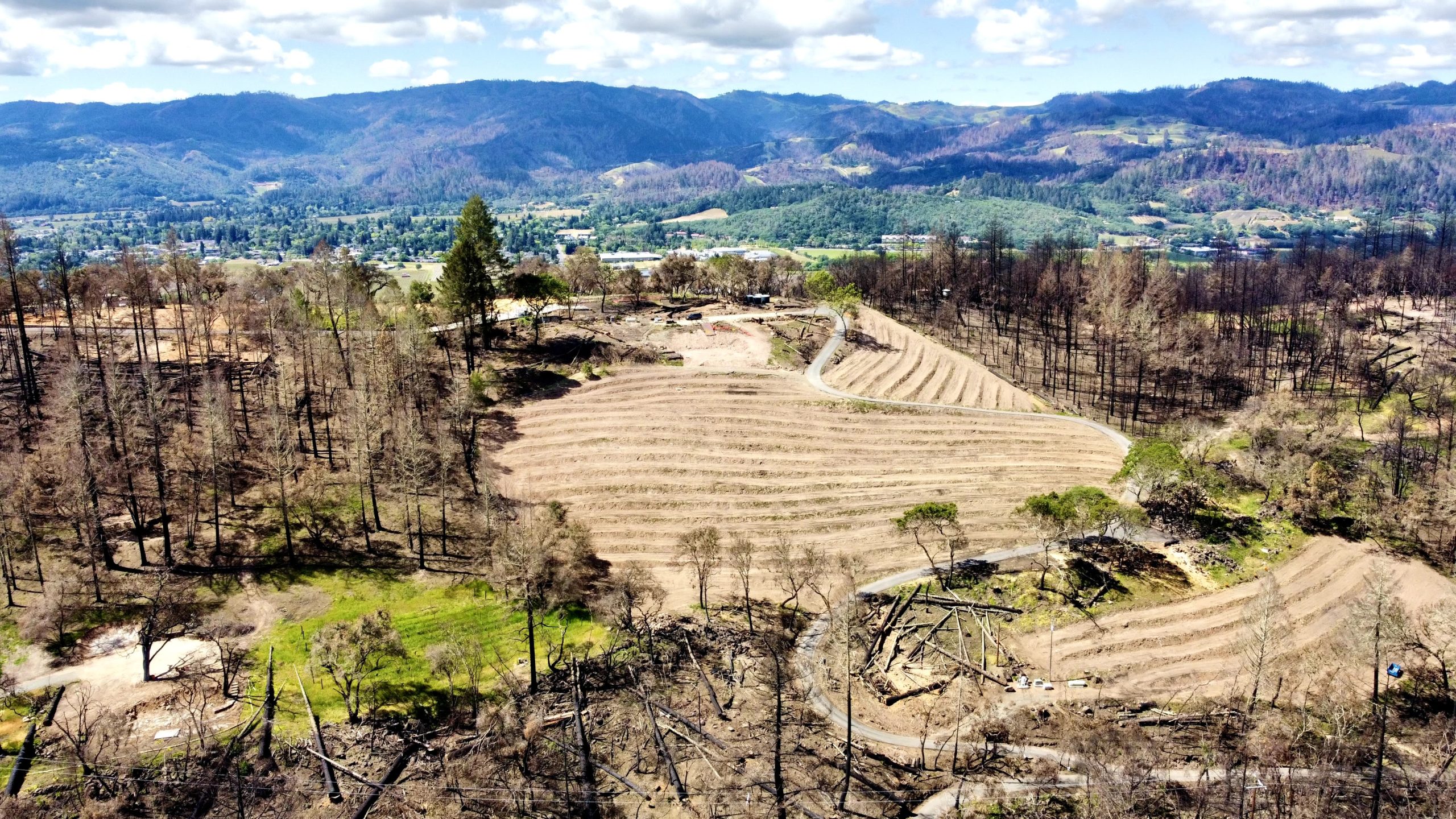
The Glass Fire, which started early Sunday, September 27 in Napa County as a 20-acre brush fire, rapidly burned over…
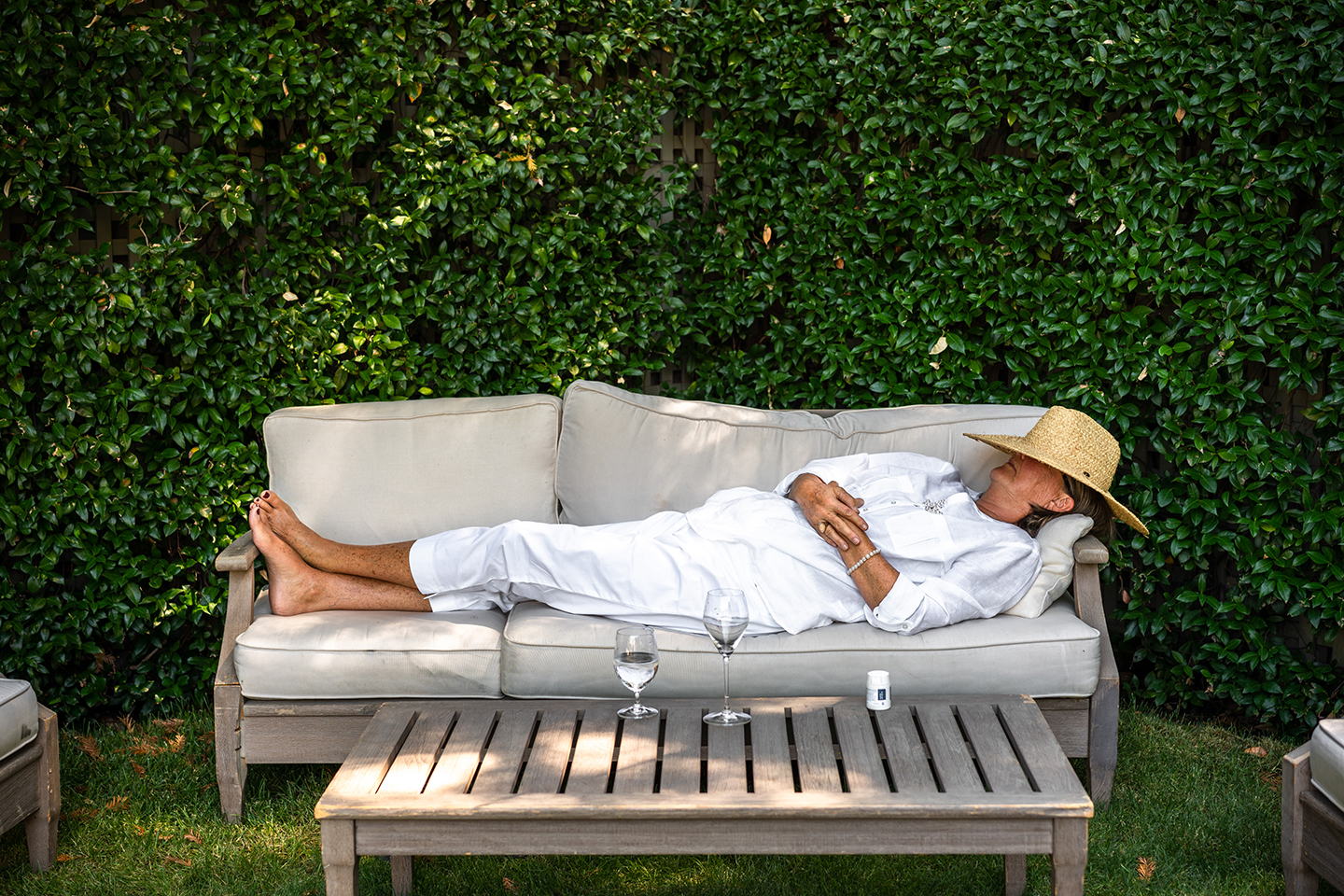
It’s Been Quite A Run… For more than 30 years I have had the pleasure of growing and selling fruit…
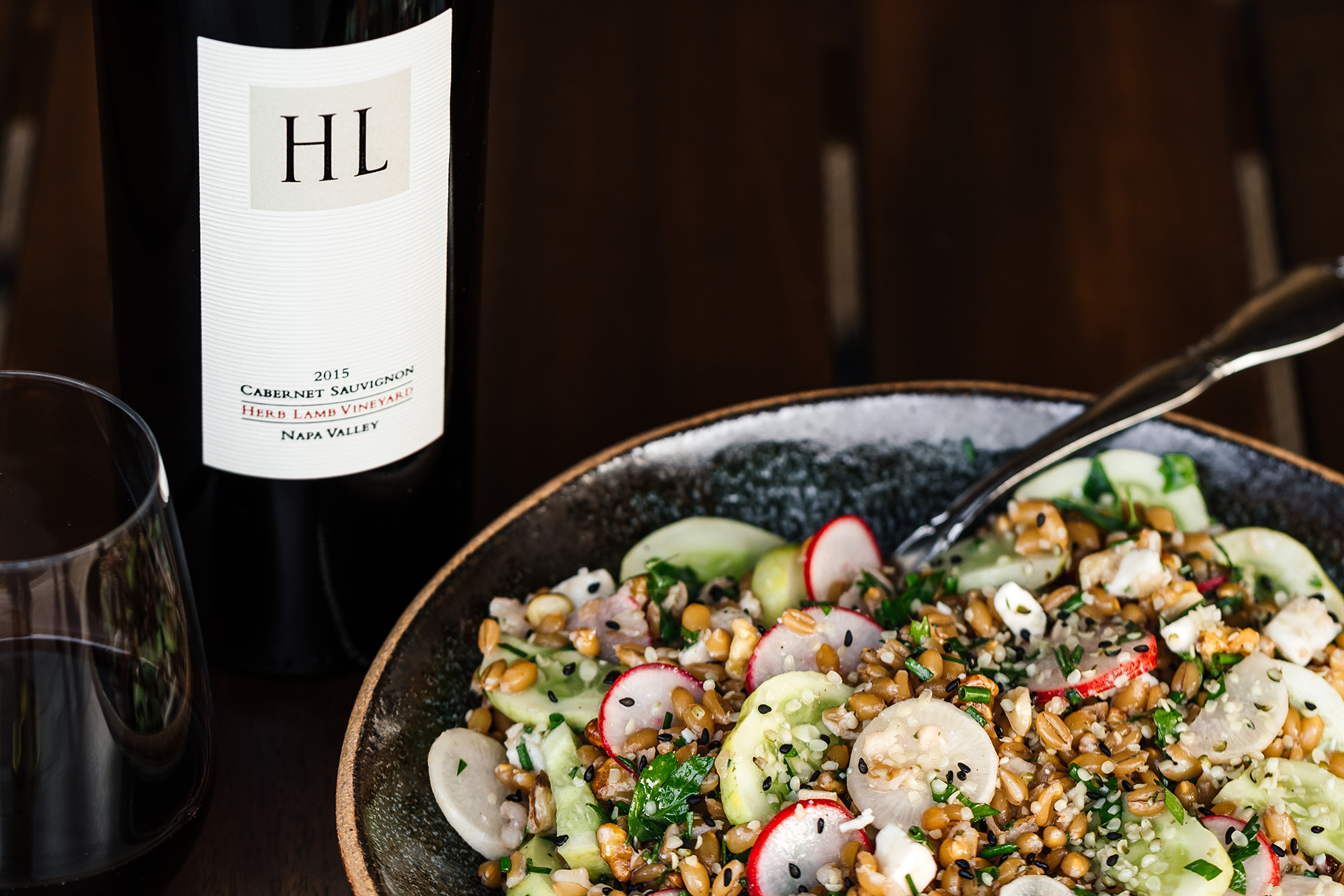
Ingredients:1 C Rancho Gordo Spelt Berries, cooked until tender2-3 radishes, thinly slicedFresh herbs, chopped (parsley, chives and dill all work…
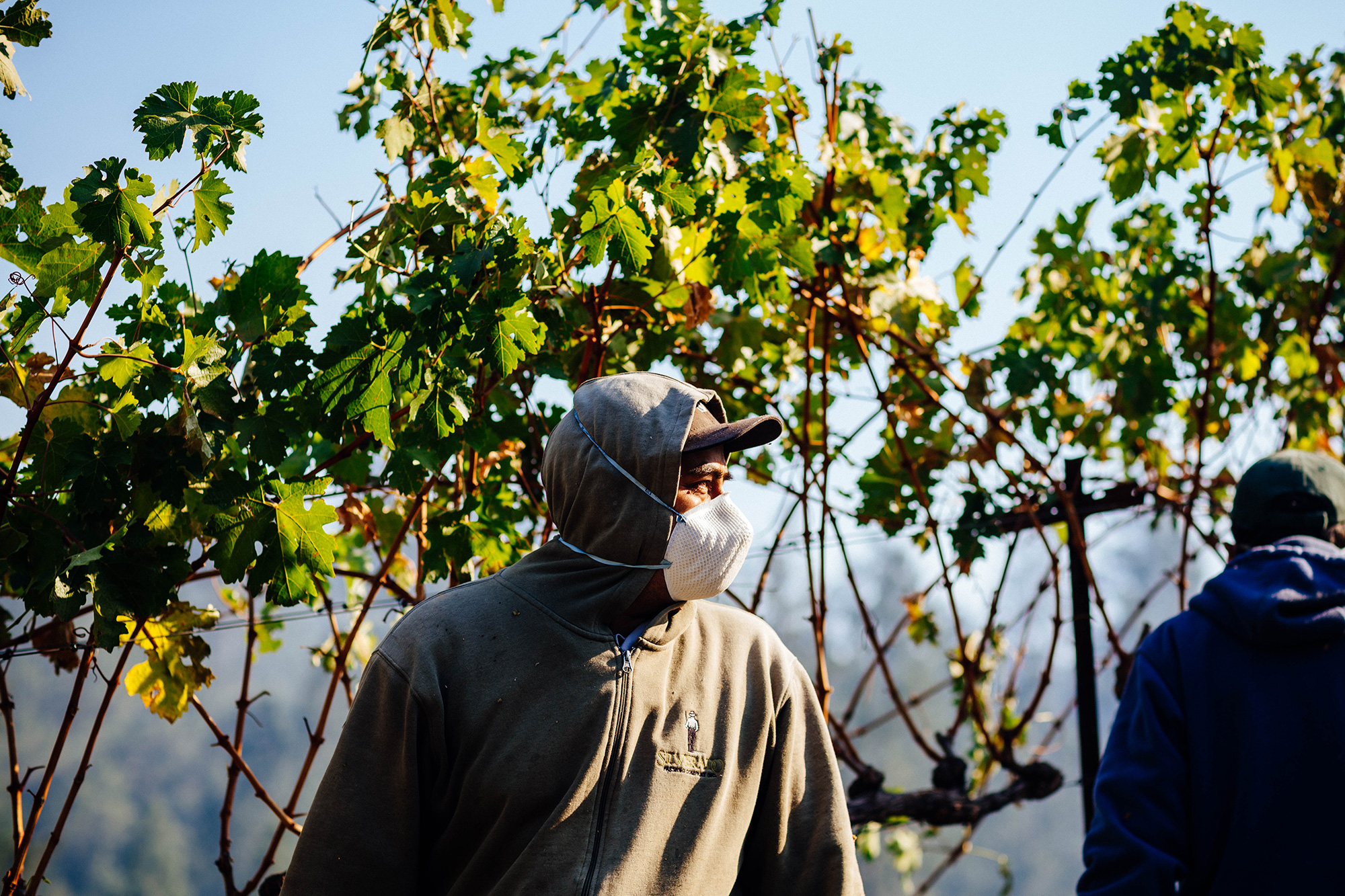
On the evening of October 8, we witnessed a furry of hurricane-force winds, the likes of which had never been…
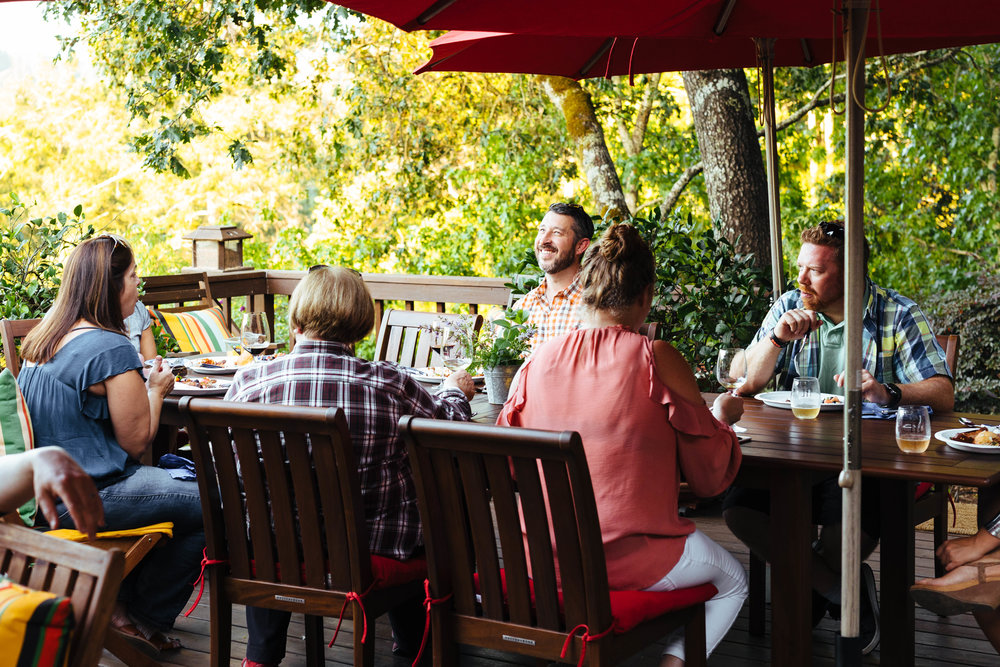
There’s nothing quite like summertime in the Napa Valley — filled with great wines, good friends, and barbeques of course!…
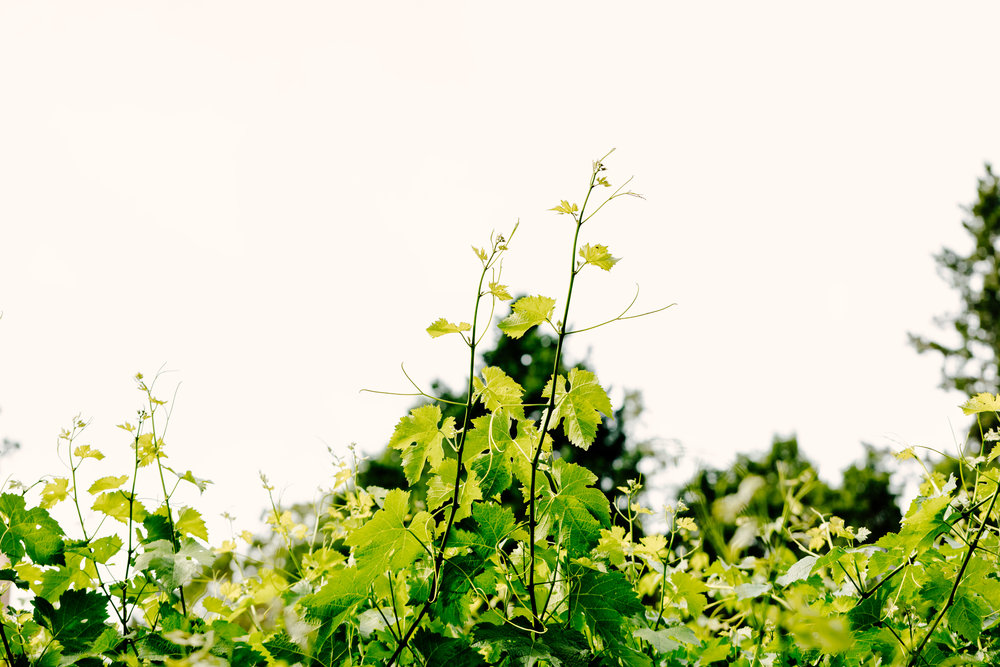
Greetings, friends! It’s been a busy growing season so far, so it must be time for an update on our…
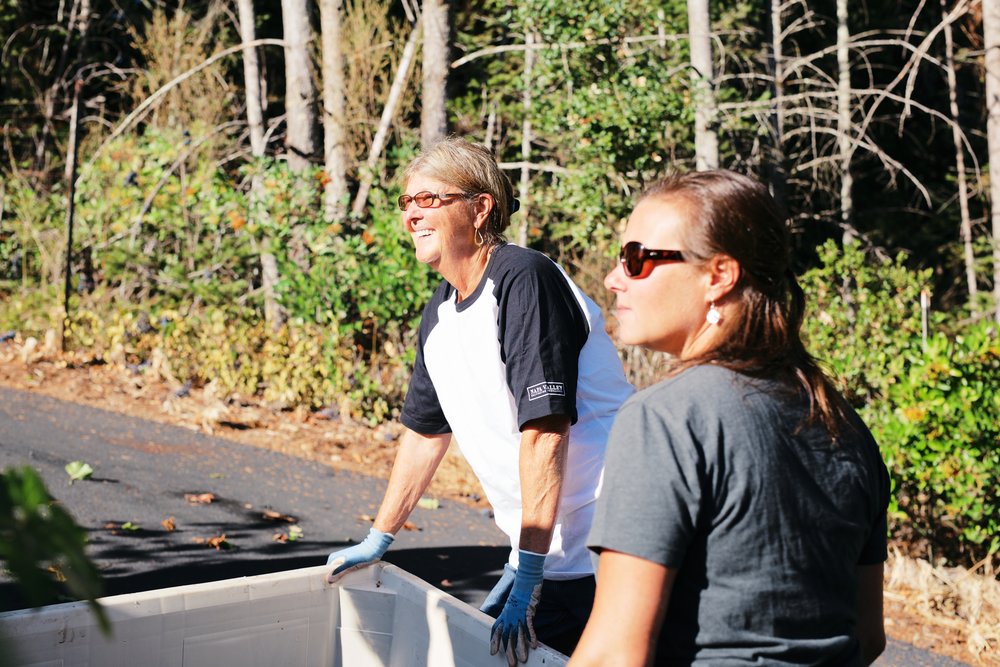
Our 2016 estate harvest was one for the books. Please enjoy this visual journey of the day… https://vimeo.com/194197150 Photographs by…

We’re off to the races! On Sept. 1, we harvested 5.5 tons of fruit from Mello Vineyard in Yountville —…

Although 2012 through 2016 have been deemed drought vintages, we continue to receive anywhere from 60% to 90% of our…
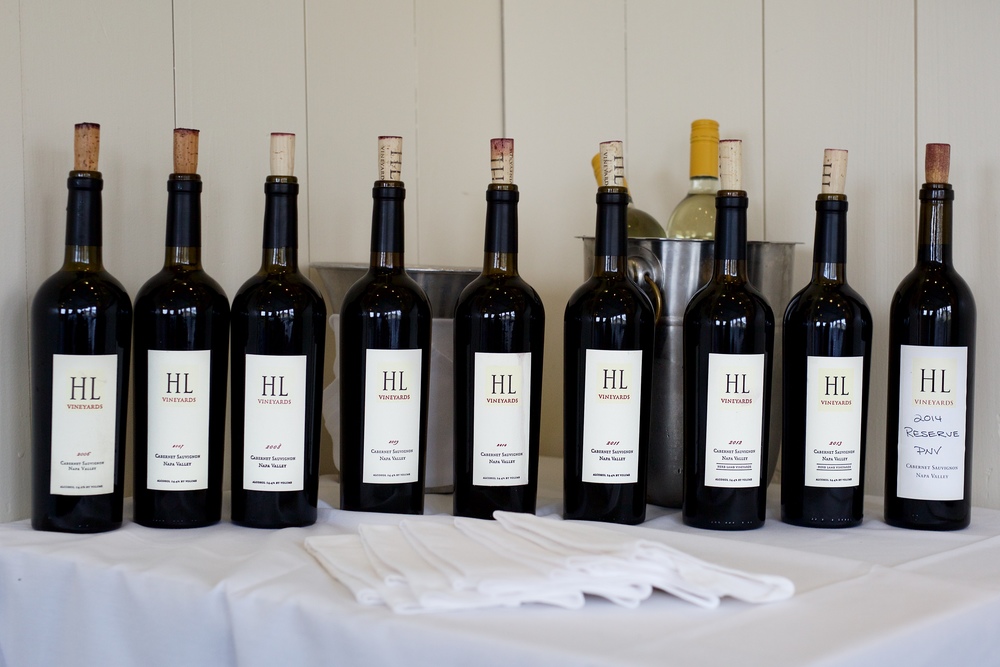
2006-2014… these vintages all have their own story to tell, and, like children in the same family, each has an underlying…
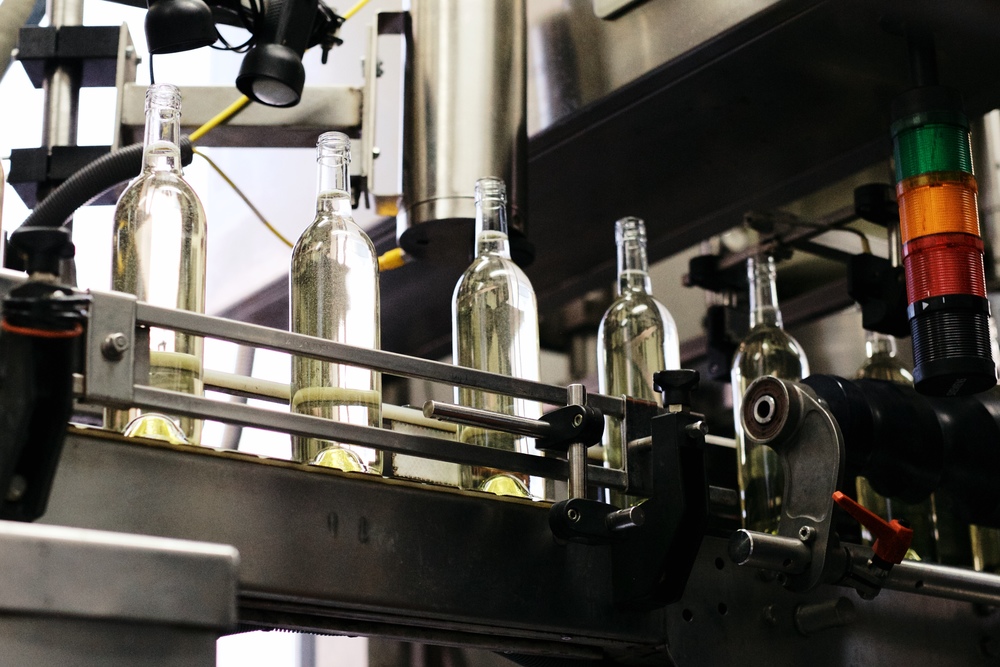
The art of bottling takes an expert team to master. It’s a fast-moving process that combines a watchful eye and…
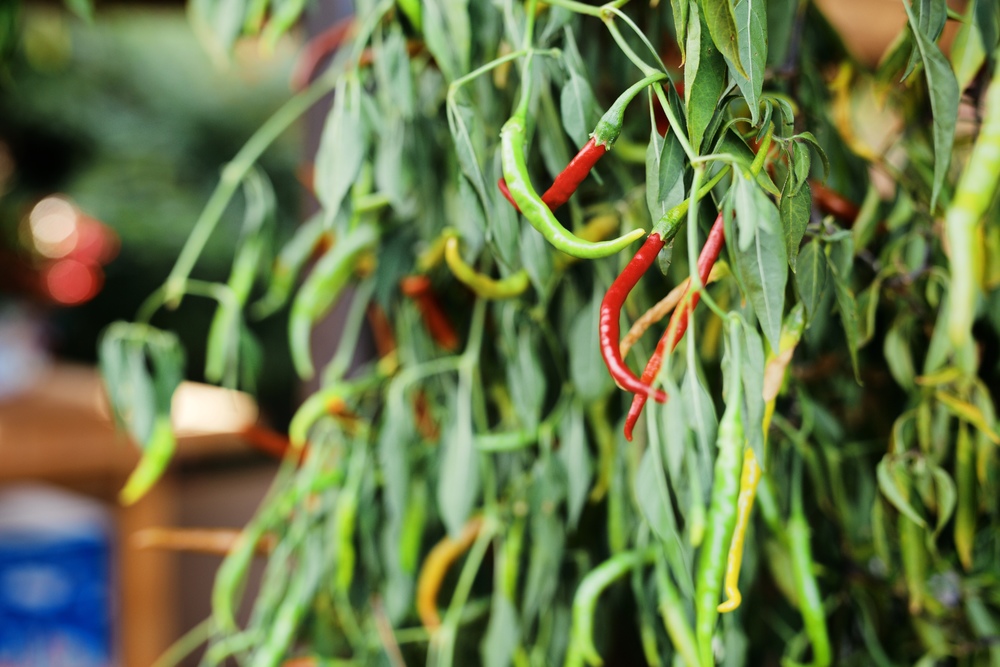
We recently picked the last of the hot peppers from the Herb Lamb garden, then hung them out to dry…
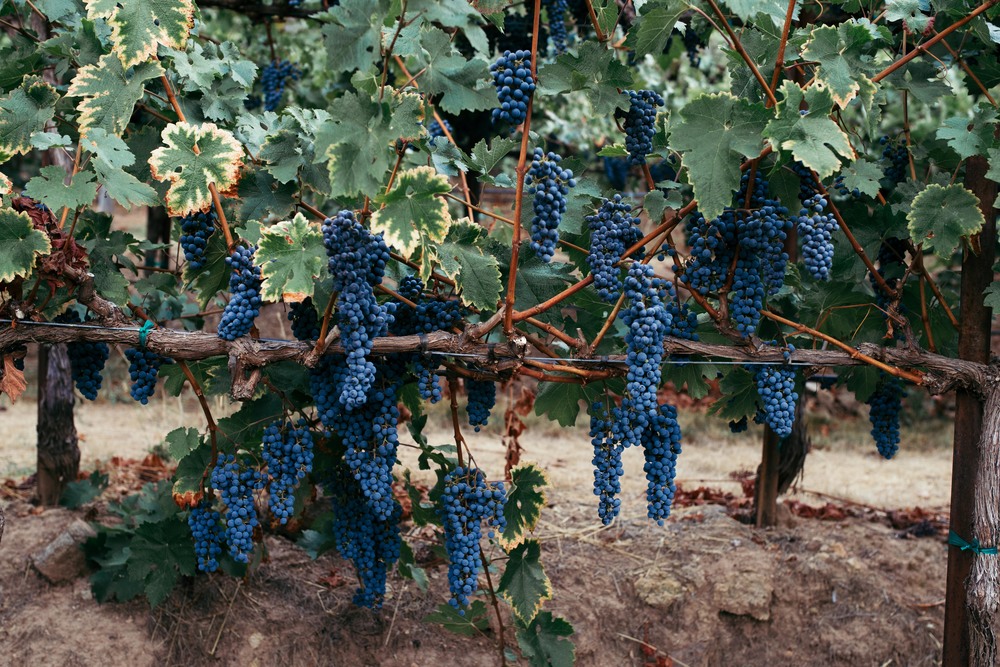
2015 was not only the earliest harvest on record in the Napa Valley, but the hottest as well! The fourth…
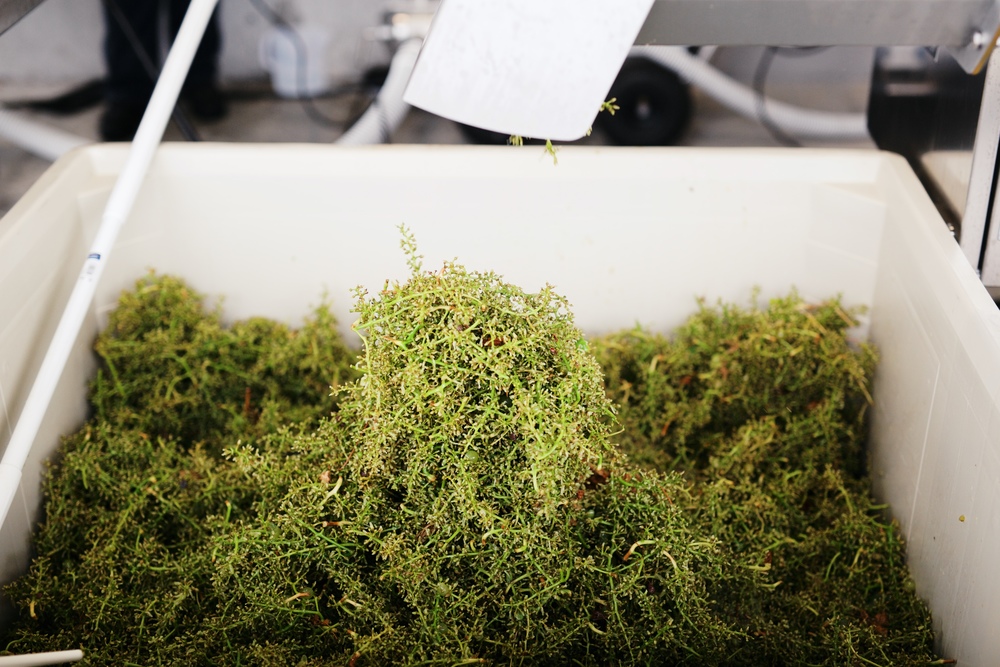
After nearly a month of fermentation, our Two Old Dogs Sauvignon Blanc is completely dry (meaning that we have fermented out…
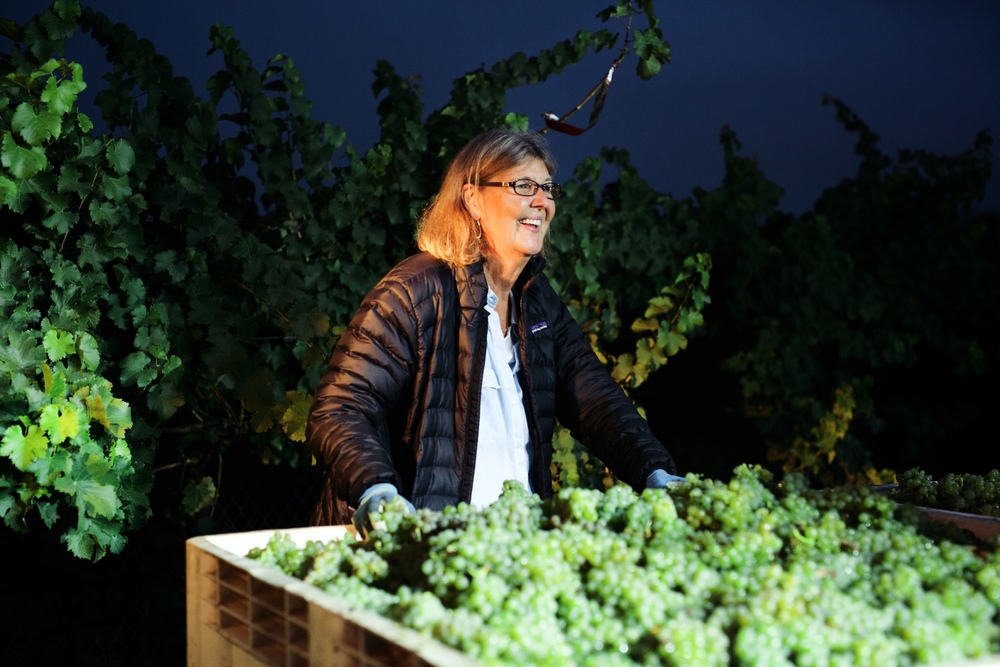
This year’s early-morning harvest at Mello Vineyard in Yountville started around 4:15 a.m. Tractor lights and headlamps lit the way…
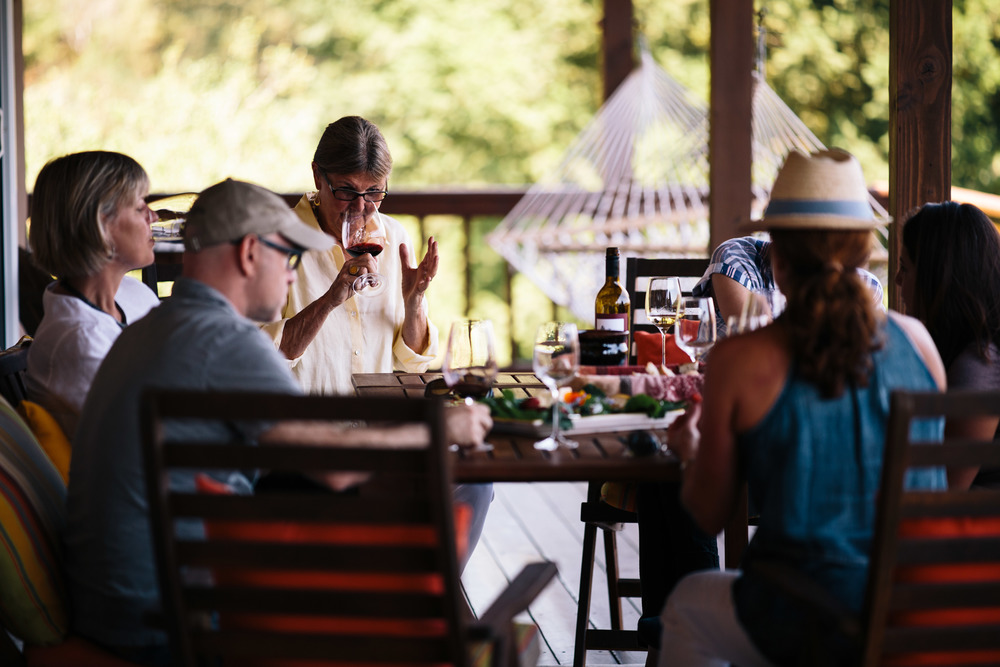
There’s nothing we love more than hosting good folks on our porch overlooking the Cabernet Sauvignon vineyards! We recently enjoyed spending some time with…
Another year with very little rainfall but text-book growing conditions, 2013 gave us exceptionally bold wines. In the vineyard, we had early bud break,…
With the sporadic rainfall (the warm “Pineapple Express” that came in from the Pacific and dumped inches at a time…
We’re thrilled to announce a very special winemaker dinner at 7 p.m. on Tuesday, May 19 at Taj Campton Place in San Francisco. Jennifer…
With a population of just 5,500, ours could be a small town anywhere . . . with orange-vested monitors in…

Last weekend, we participated in another family-style wine pairing and cooking class at one of our favorite restaurants, Rosso, in…
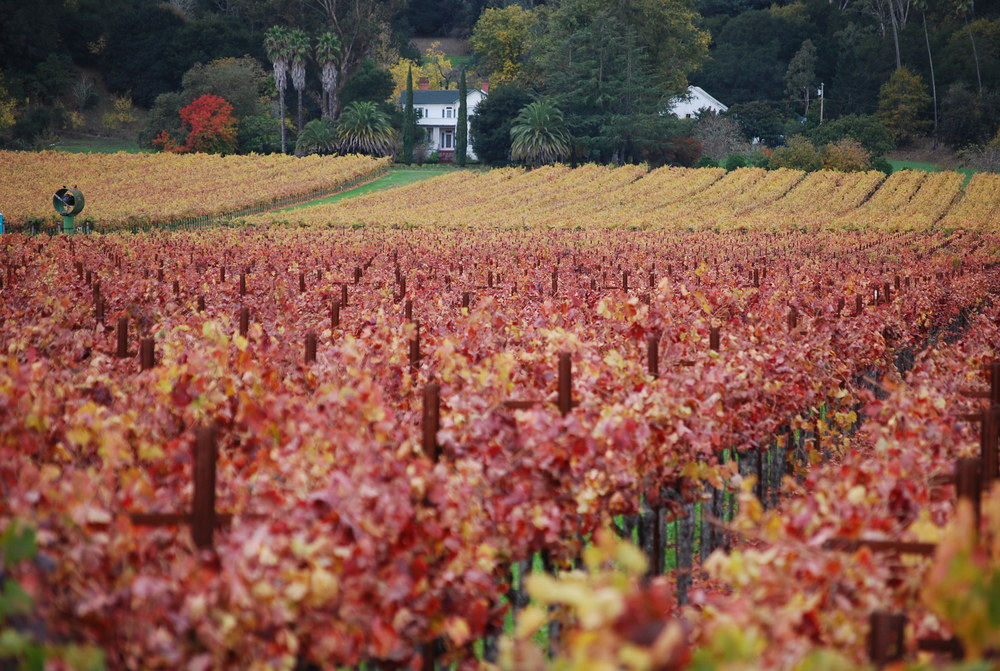
Every year after harvest, we are blessed by an amazing show of fall colors in the valley. If we have…
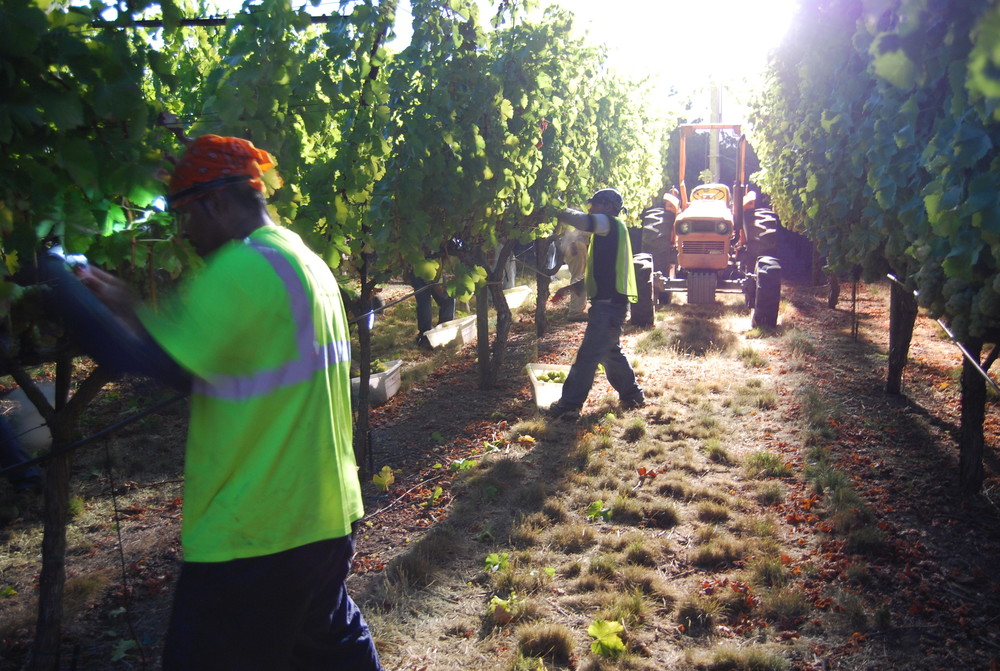
Friends and clients called with worried anticipation at the brief, but notable, rain storm that we experienced in the Napa…
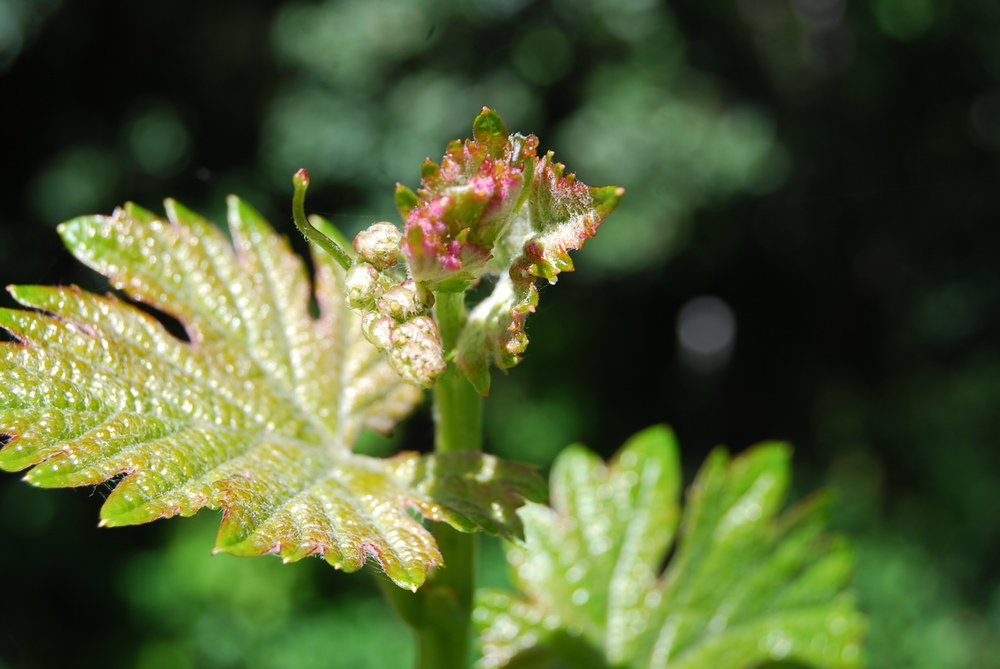
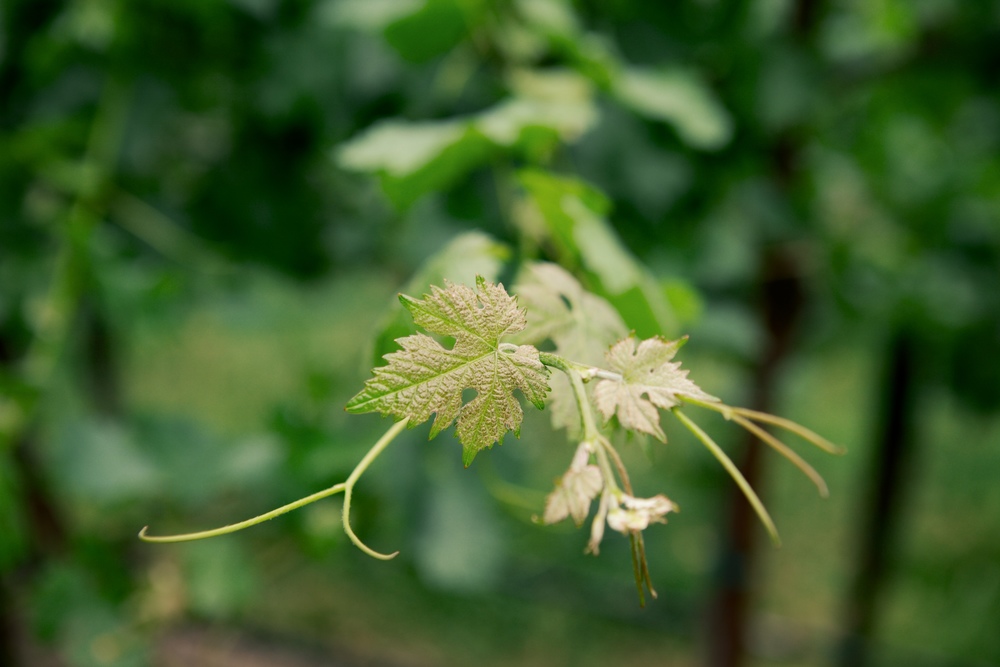
If spring in Wine Country isn’t the best time of the year, I don’t know what is!!! The new buds…
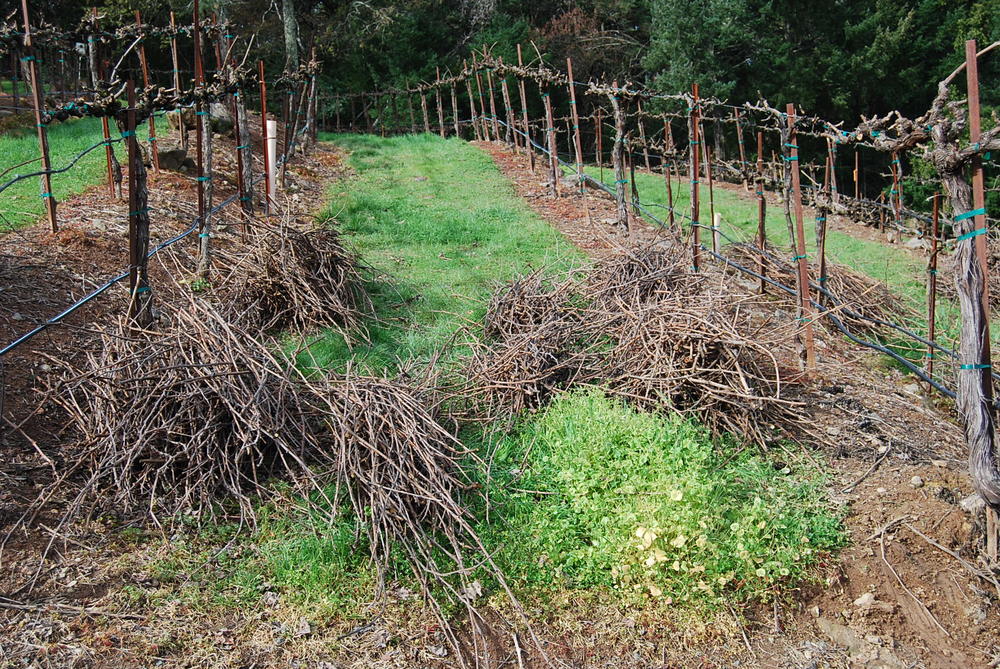
Winters are pretty much quiet in the vineyards, very much like the dormant vines waiting for spring. As it’s impossible…
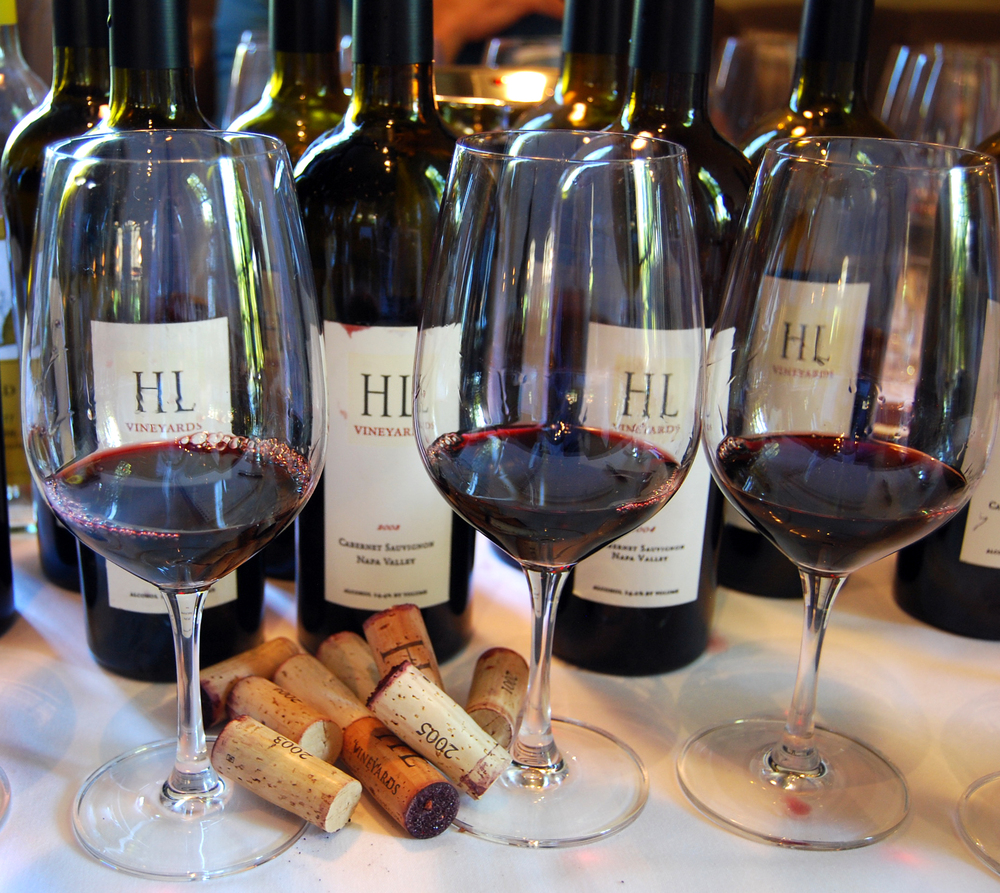
January 2013. While watching the 800th college Bowl game and NFL football play-offs for the last two weekends, we have…
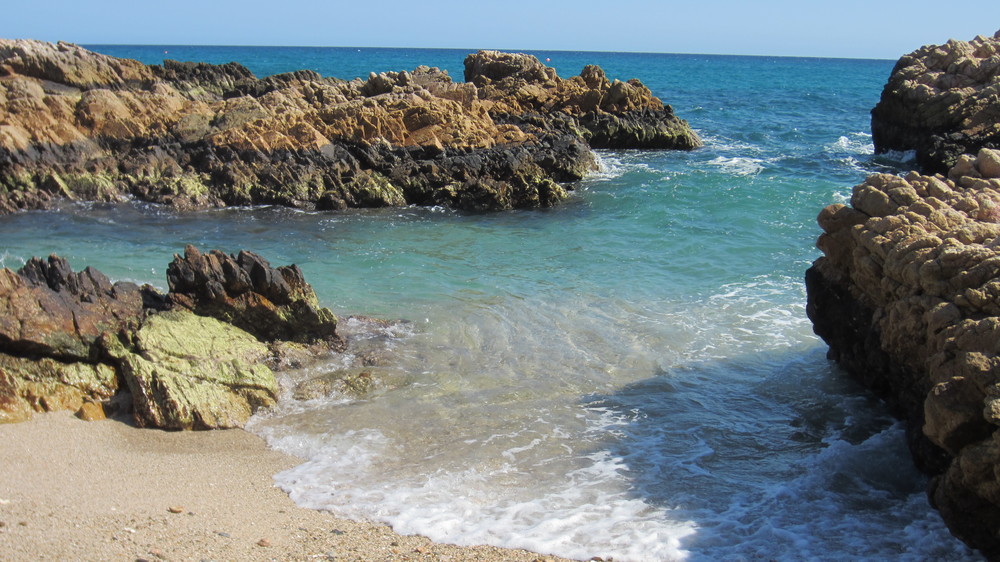
We awake at what should be the crack of dawn and a sunny fall morning, but instead we are engulfed…
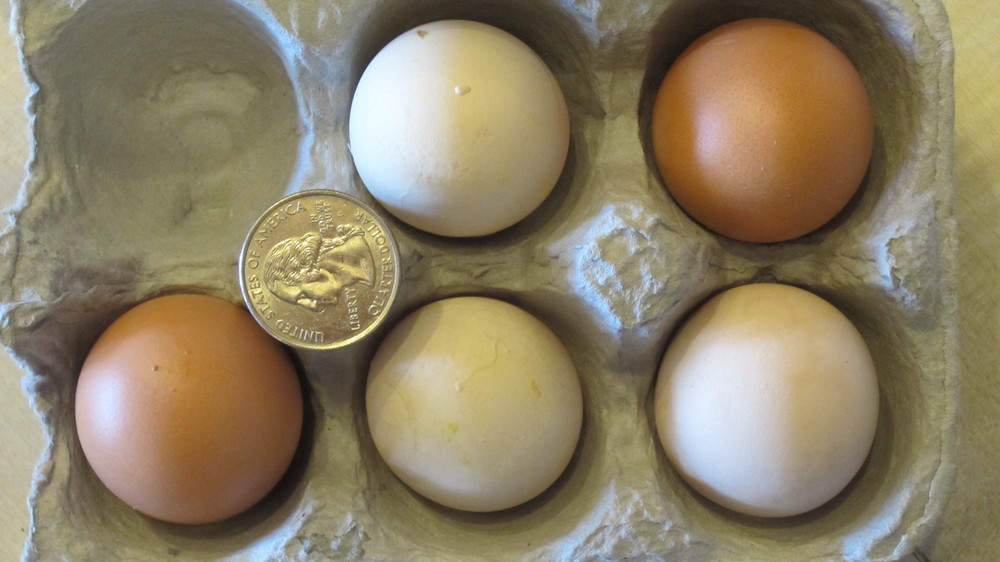
Anyone who has ever had chickens knows the joys, and trials, of raising a flock of hens for eggs. People…
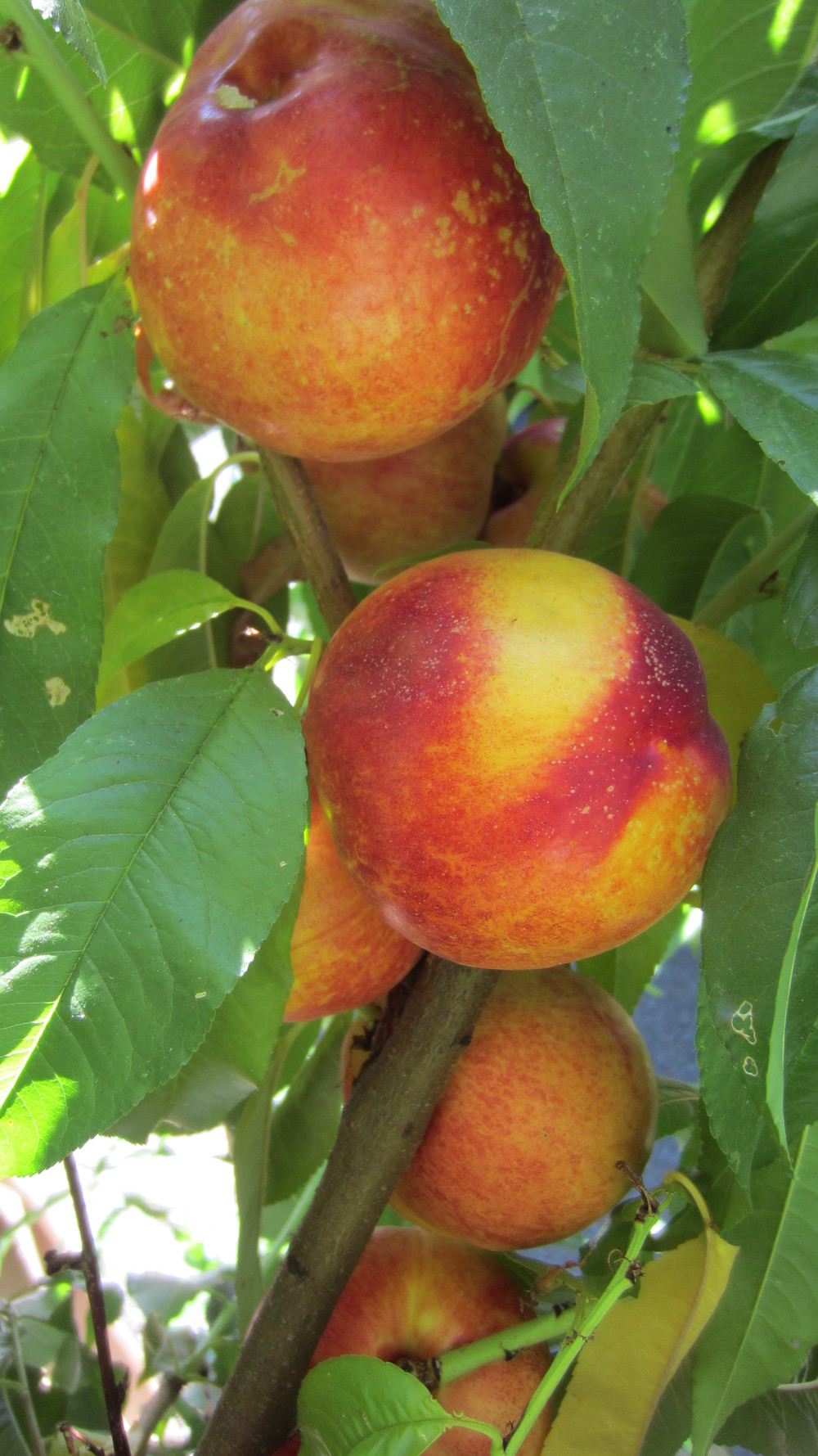
We are always grateful for the tasty crop of grapes we raise, but this year, especially, we include the abundance…
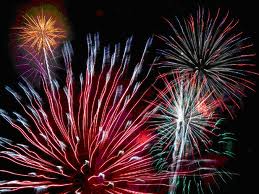
Every small town has their 4th of July traditions. The Napa Valley celebrates like many others; parties around the pool,…
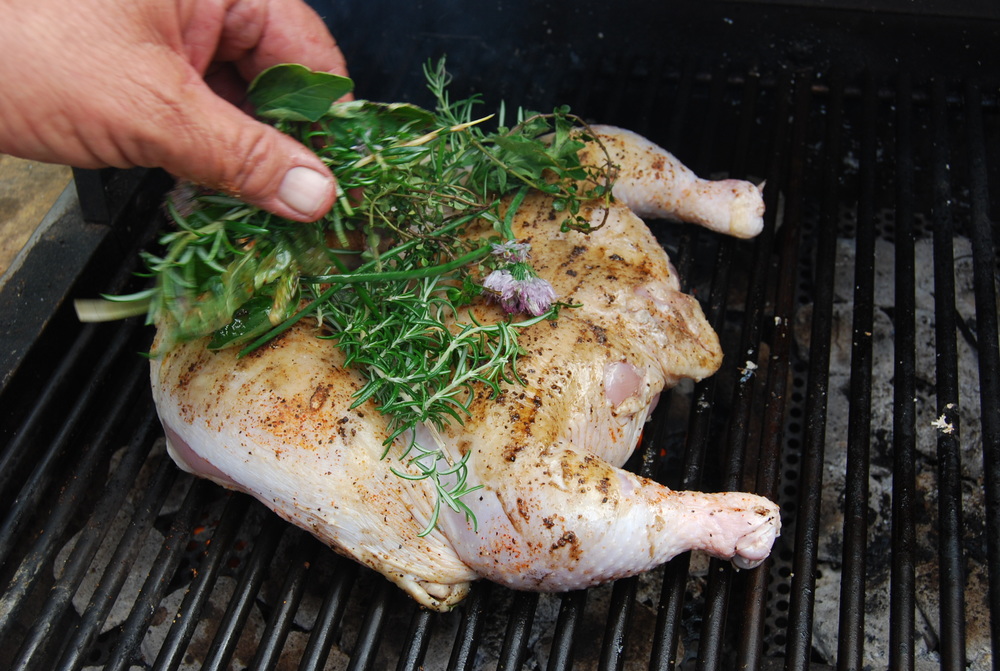
On either side of our work day, the earlier sunrise and warmer evening temperatures have allowed us to work into…
Lamb’s Basil/Tarragon* Pesto ½ cup pine nuts 1 whole garlic head, cleaned into cloves (about 9-11) 3 cups fresh basil…
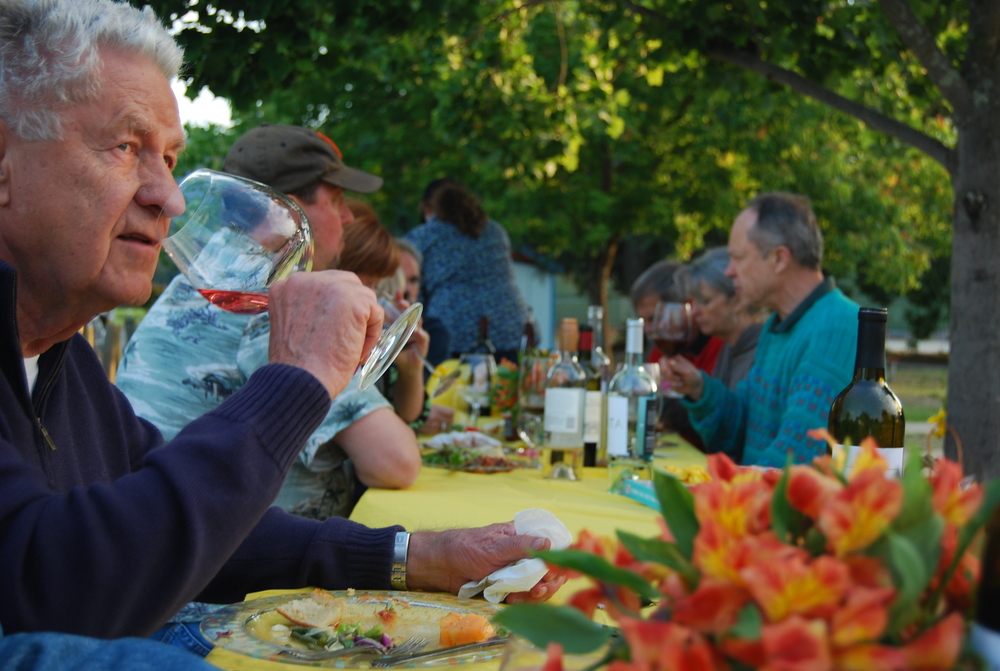
Bocce Ball season in the Wine Country has started again, every court at the local park filled with dozens of…
Kori’s Salsa Verde Chicken Salad With capers, cannellini beans, Parmigiano Reggiano and arugula – serve with Two Old Dogs Sauvignon…
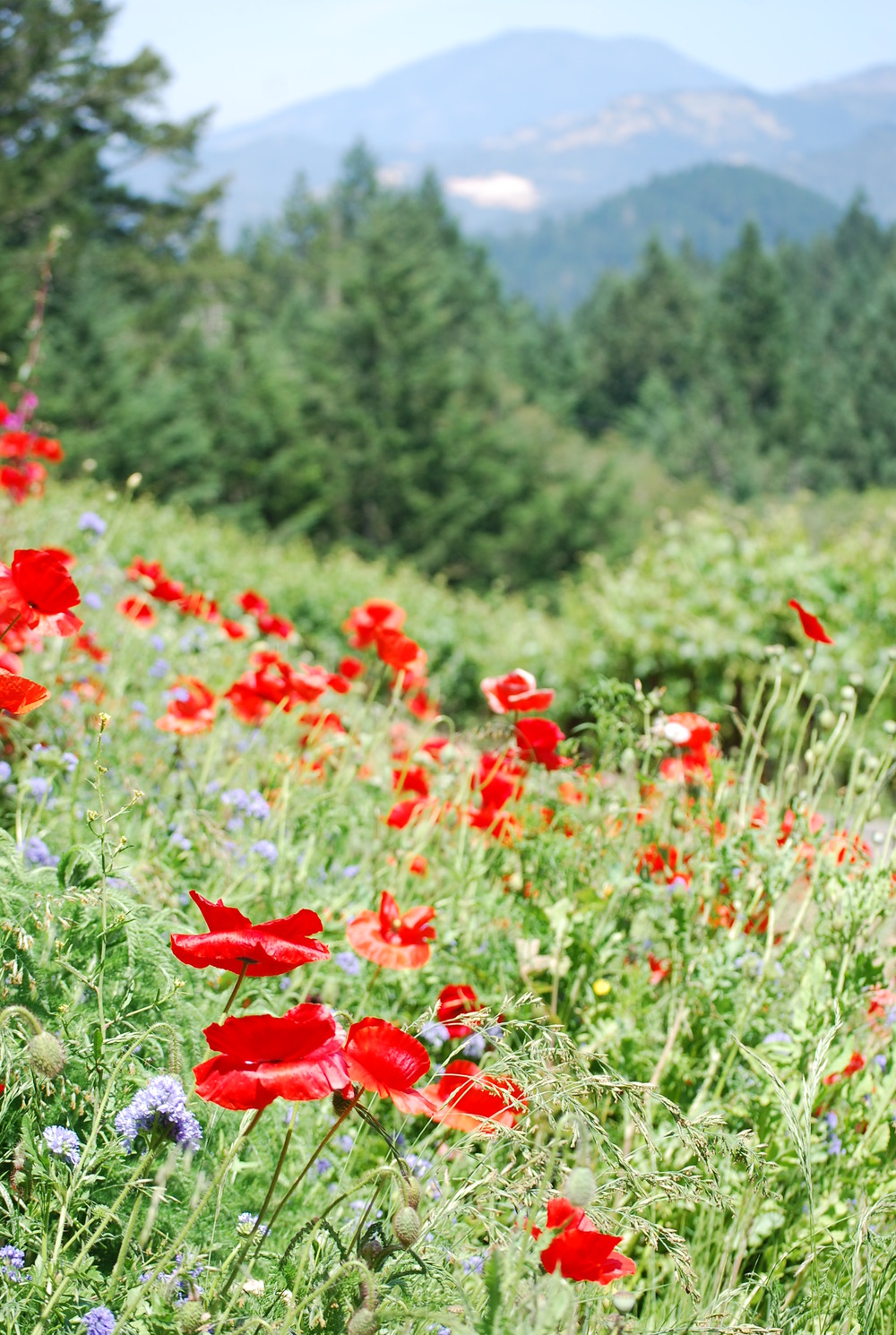
Buzz, Buzz, Buzz. As former beekeepers, we rushed outside at dawn – was it a swarm of bees landing on…
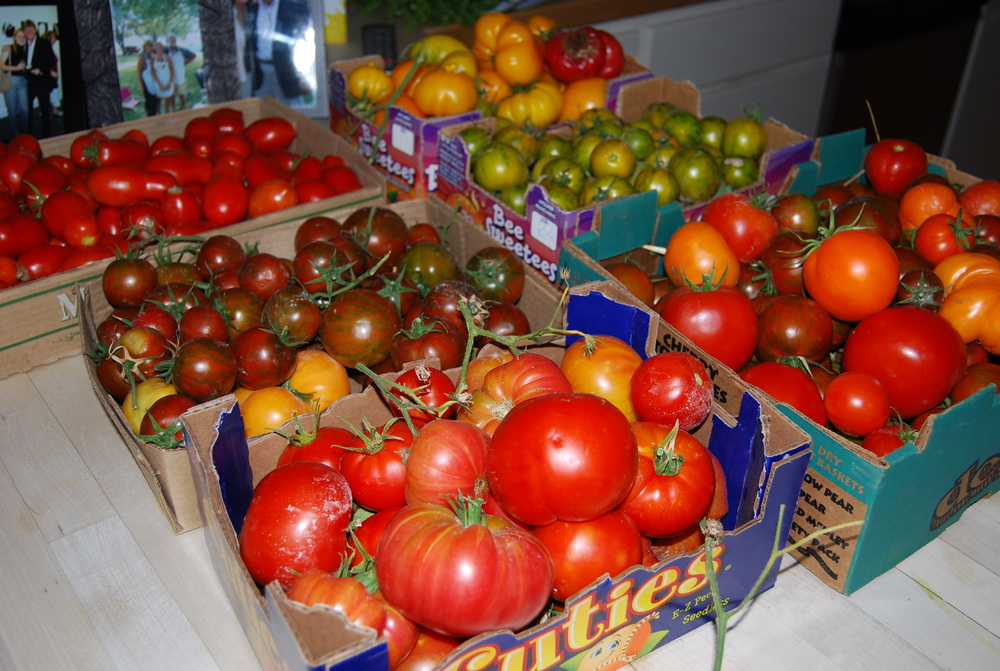
It’s always easy to guess what time of year it is just by looking at the collection of irrigation parts,…
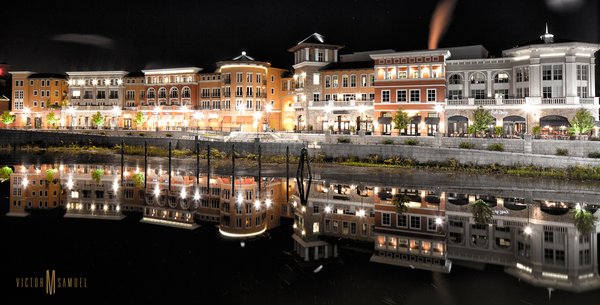
In the Napa Valley we are blessed with dozens of exceptional restaurants locally, and we frequent them often. Within 15…
Blame it on Millie. She was the fawn colored Nubian goat that we inherited on the ranch we were care…
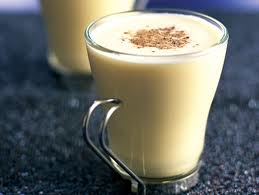
The holidays from Thanksgiving to New Years are usually times when we share celebrations with big meals, and lots of…
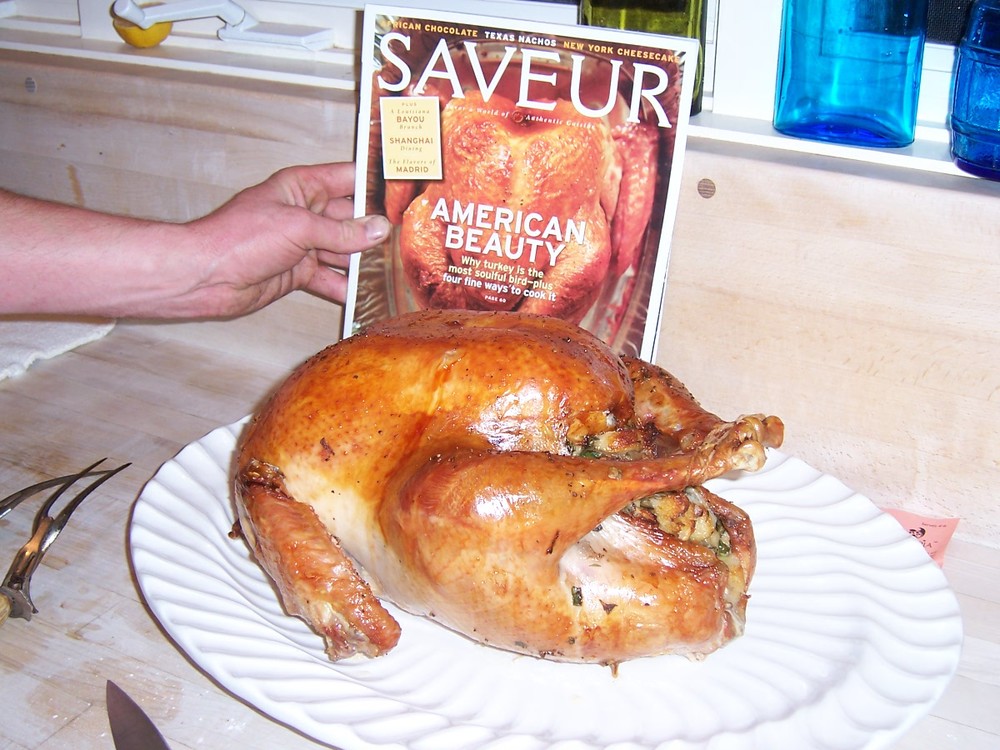
Our family has traditionally split the holidays with Herb’s family in Napa for Thanksgiving, and Jennifer’s family in Pasadena for…
Basking in 75 degree temperatures at the end of October, with a warm breeze blowing the fall leaves throughout the…
This was going to be exciting and different – picking Sauvignon Blanc under lights in the middle of the night!…
Living out in the country, seemingly miles from civilization with nary a neighbor in sight, we are always asked what…
We all know that great wines are made in the vineyards . . . given the right circumstances! A “Normal”…
Living basically on the fringes of rural America (albeit with the benefits of a wealthy wine-making populace and within a…
If this is your first visit or if you are a seasoned wine taster, here are some basic tips that…
Our unseasonably cool then warm then wet then foggy and cool again weather this summer has extended the maturation of…
(Recipe by Emeril Lagasse, courtesy The Food Network, with changes by HL Vineyards) Ingredients 1 pound fettuccine pasta 1…
I had dutifully sent my package with a Pendelton long-sleeved shirt and two new books from the NY Times Best…
There is always an auction or fundraiser going on in the Wine Country, from the Montessori School Sun and Stars…
Serves 6 Lime zest and juice from 2-3 limes 2 Tbsp. light-brown sugar 2 Tbsp. light rum (or more? to…
Makes 6 servings *Dressing 1 ½ cups sour cream, mayonnaise or non-fat yogurt (or a mix of them) 3 tablespoons…
We don’t really adhere to any one religious philosophy in our house, but use each holiday as an excuse to…
I guess it’s just our California backgrounds that make us search out, and even demand, the freshest of all ingredients.…
Point Reyes Farmstead Cheese Company2 (10-12oz) rib-eye steaks 1 tablespoon olive oil 2/3 cup Port of your choice 2/3 cup…
With the advent of technology, all sorts of unintended and irrelevant information is available. When we set up our “Google…
Recipe courtesy Maria Helm Sinskey, Robert Sinskey Vineyards Ingredients 1 whole leg of lamb, deboned 6 garlic cloves, peeled and…
Late winter and spring in the Napa Valley finds vineyards knee deep in healthy grasses, clovers and cover crops, but…
Makes 1 drink (As shared by Herb’s late, personal mixloligist, Randy Bomarito at Bouchon Restaurant, Yountville) 6 oz. tomato juice…
Herb likes to flaunt the fact that no other place in the world can produce the “Three Winter A’s” like…
The local catch on the Pacific coast is the Dungeness crab, available in waters right off shore from November until…
A Perfect Match – Dungeness Crab and Asian Pear Salad with Sauvignon BlancBy Chef Mark Dommen of One Market Restaurant…
Crab Cake Ingredients1 pound crab lump meat – pick out all shells! 2 tablespoons chopped fresh parsley 3-4 finely chopped…
Every season in the Napa Valley, even winter, seems to be a wonderful opportunity for food & wine pairing. We…